

Read the market.
Analysis of the forces on the Forum’s agenda: geopolitics, food and energy security, trade corridors, regulation and finance. Every figure is sourced. Every subject will be discussed in Rotterdam on 10 June 2027.
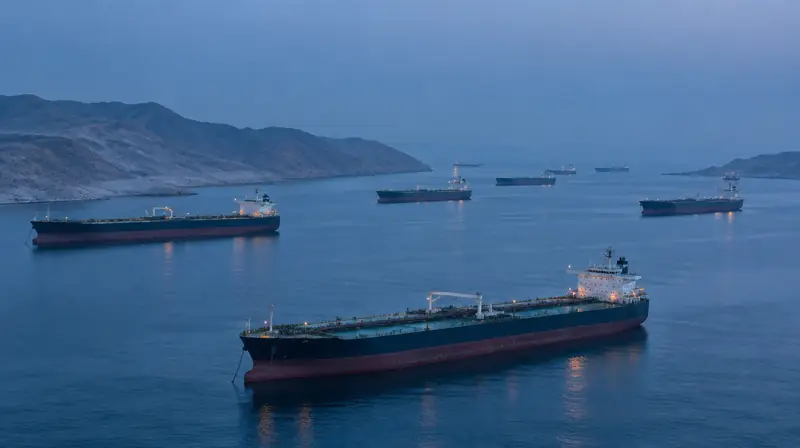 Geopolitics
Nine months of Hormuz: what the closure has changed for commodity trade
The Strait has been shut to normal commercial traffic since 28 February. The first shock was price. The lasting change is in routes, contracts and inventories.
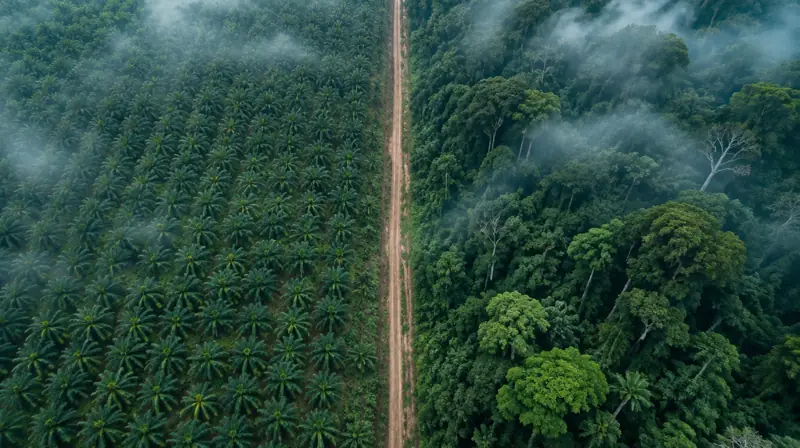 Regulation
EUDR applies on 30 December 2026: what operators and traders need in place
After two postponements the date now stands. Large and medium companies have weeks, not months.
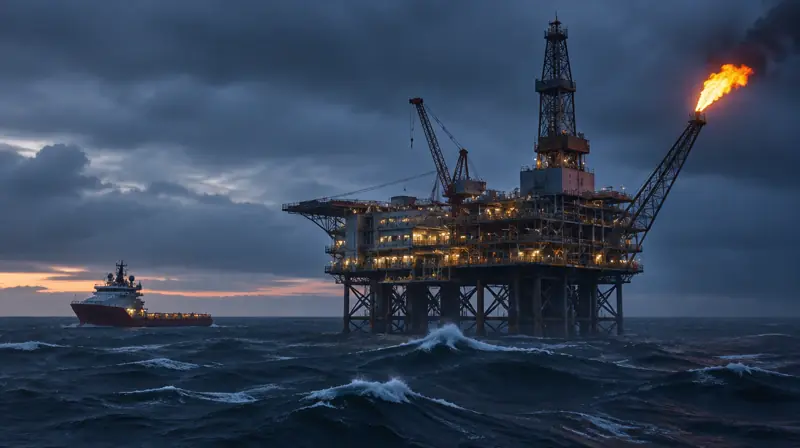 Energy
Brent at US$126: the anatomy of March 2026
One number is quoted everywhere. It is worth knowing which Brent it describes and what it meant for those buying physical cargoes.
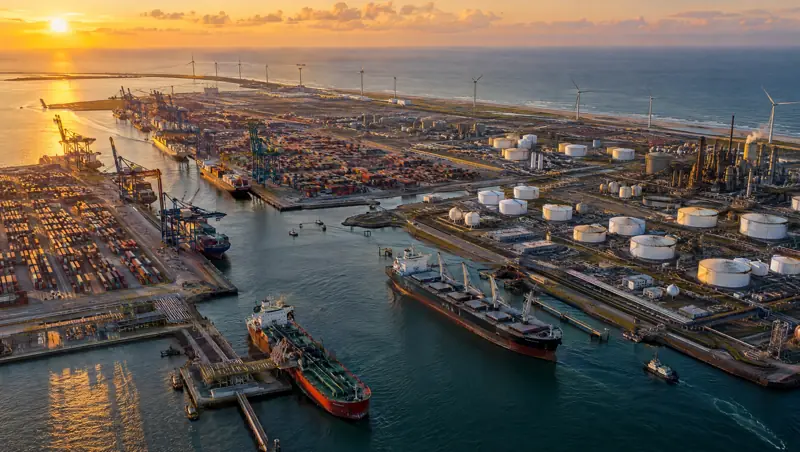 Corridors & ports
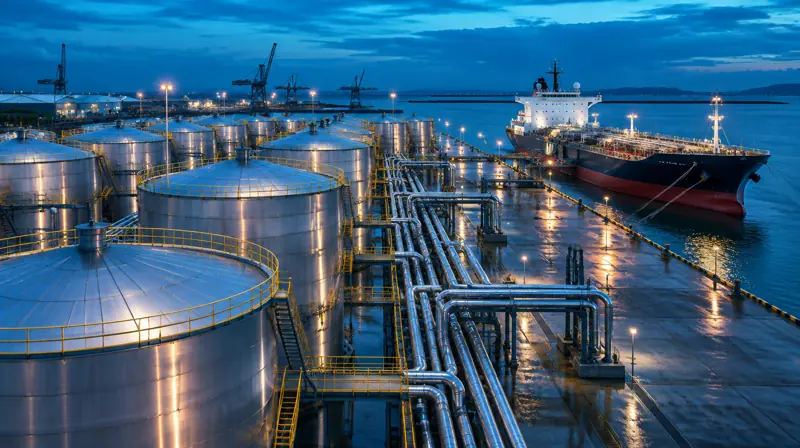
Why Rotterdam is Europe’s commodity gateway
Europe’s largest port is a refinery cluster, a tank farm, an agribulk hub and a container gateway on one river mouth.
 Food & feed
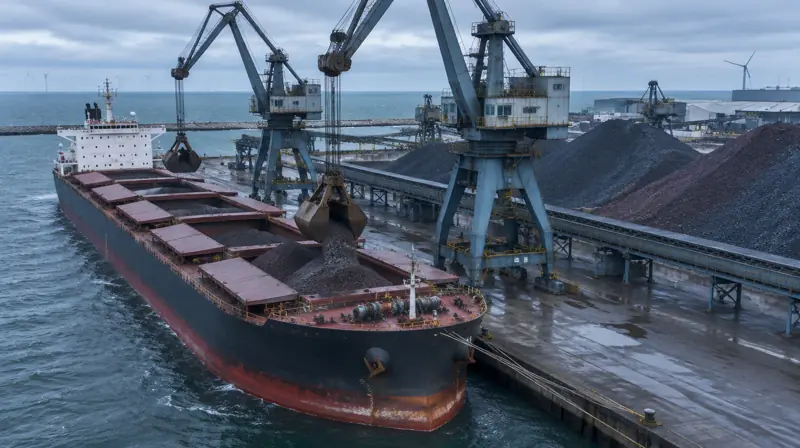
Vegetable oils at 199 on the FAO index: what is holding prices up
Cereals, dairy and meat fell in October. Vegetable oils did not.
 Regulation
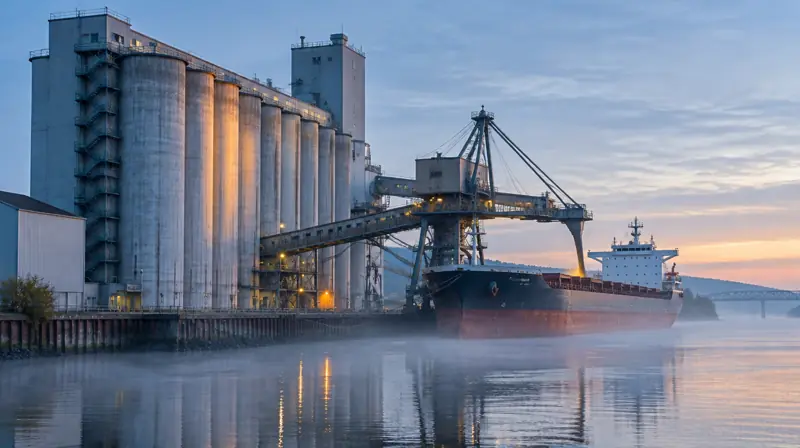
CBAM’s first paid year: what importers will owe in 2027
No money has changed hands yet. The liability has been building since 1 January.
 Food & feed
How to read the FAO Food Price Index
It is the most quoted number in food markets. It measures less than most people assume.
 Energy
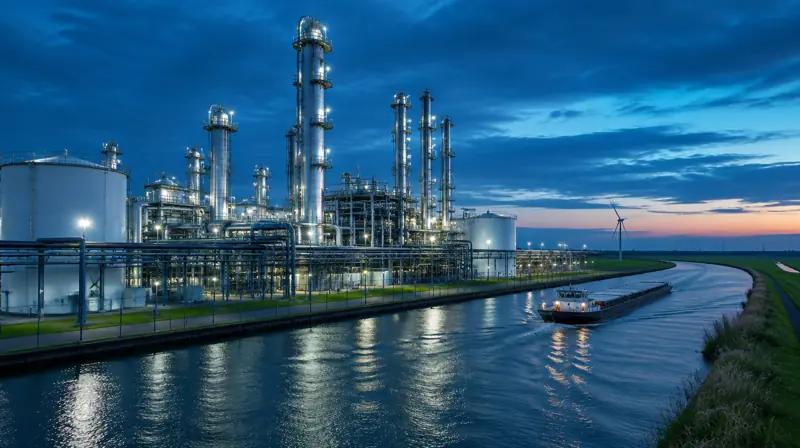
Food versus fuel: the feedstock contest
The same tonne of soybean oil can be sold to a food company or a fuel refinery. Policy increasingly decides which.
 Geopolitics
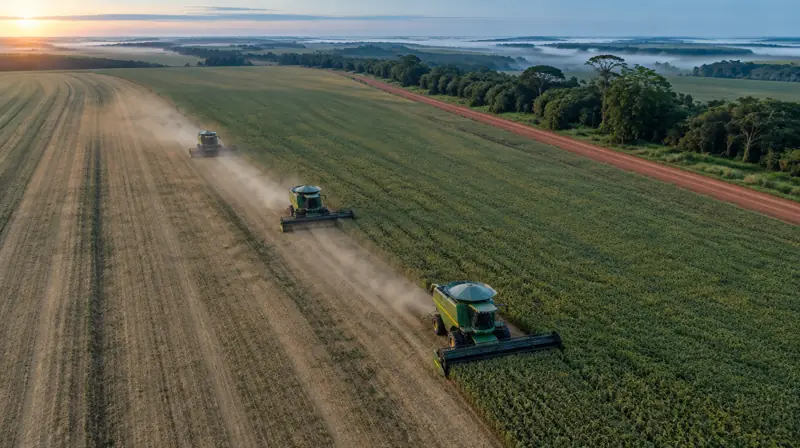
EU–Mercosur in provisional application: what changes for agricultural trade
A quarter of a century in negotiation. Since 1 May 2026 the trade part has been in force.
 Geopolitics
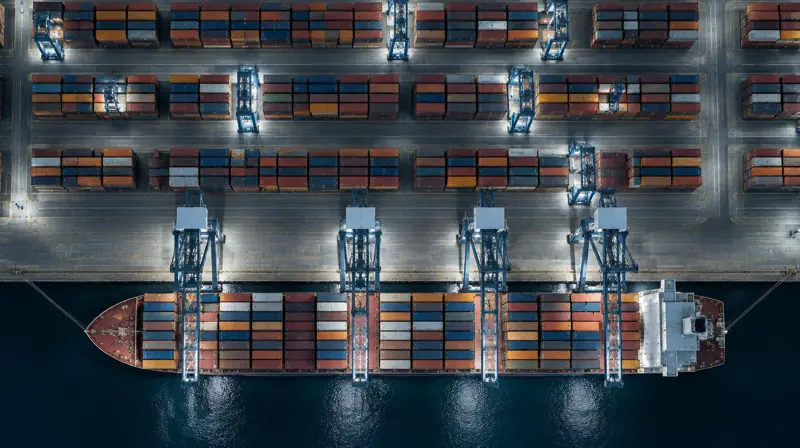
World trade in 2026: the WTO’s 3.9% and the Middle East exception
Global merchandise trade is still growing. The regional picture is far less even.
 Energy
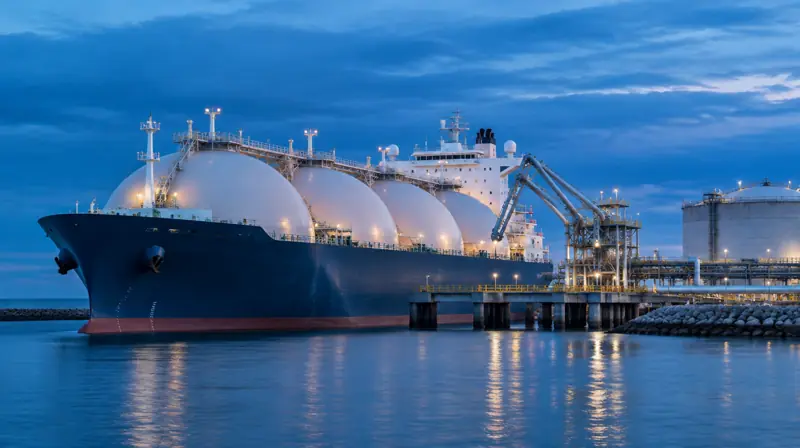
LNG through Rotterdam: Europe’s flexible supply
Liquefied natural gas moved from the margin of Europe’s energy system to its centre in four years.
 Geopolitics
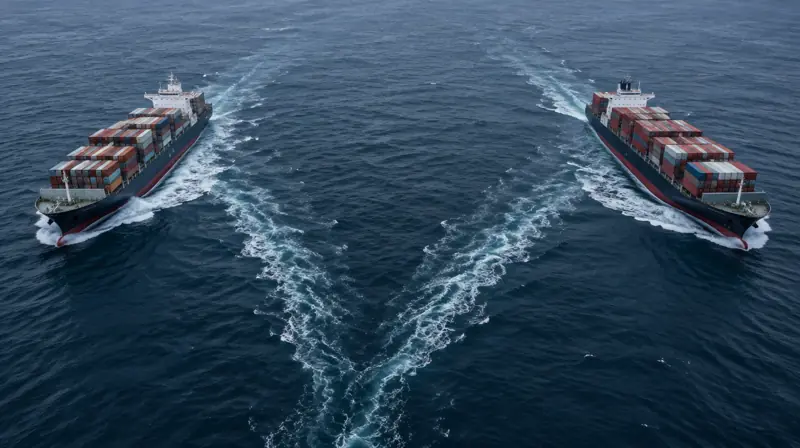
Tariffs and trade diversion: who buys from whom
Tariffs rarely stop a commodity from moving. They change its destination.
 Corridors & ports
Red Sea, Black Sea and the price of a longer voyage
Three of the world’s main trade routes carry a risk premium at the same time.
 Finance & risk
War risk insurance: the cost that reroutes ships
Ships are rarely stopped by a blockade alone. They are stopped when the insurance says no.
 Finance & risk
Commodity trade finance in a higher-risk year
Higher prices and longer voyages mean the same trade needs more money for longer.
 Finance & risk
Letters of credit, explained for the trading desk
The oldest instrument in trade finance still settles a large share of commodity cargoes.
 Finance & risk
Hedging when volatility is the base case
A hedge that works on paper can still fail in cash. March 2026 was a reminder.
 Food & feed
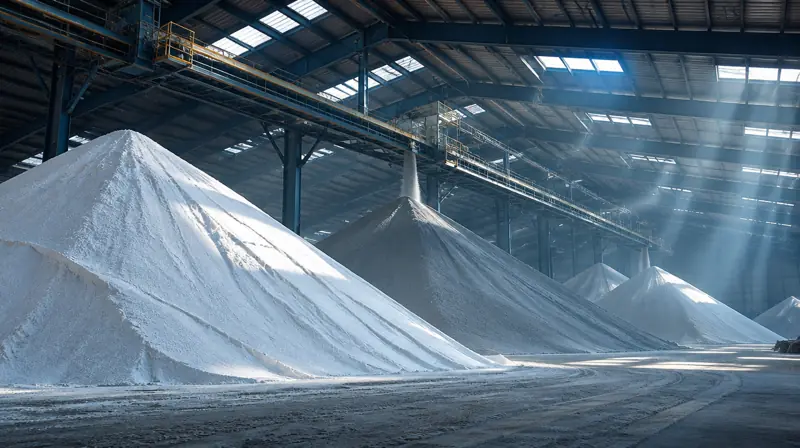
Fertilisers and food nationalism
When gas is expensive, fertiliser is expensive. When fertiliser is expensive, governments start to act.
 Geopolitics
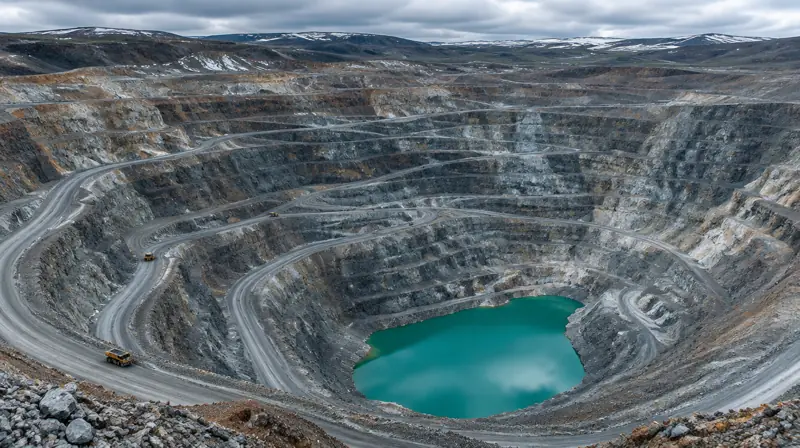
Critical minerals: Europe’s supply question
The energy transition replaces dependence on fuels with dependence on metals. The supply chains are more concentrated.
 Corridors & ports
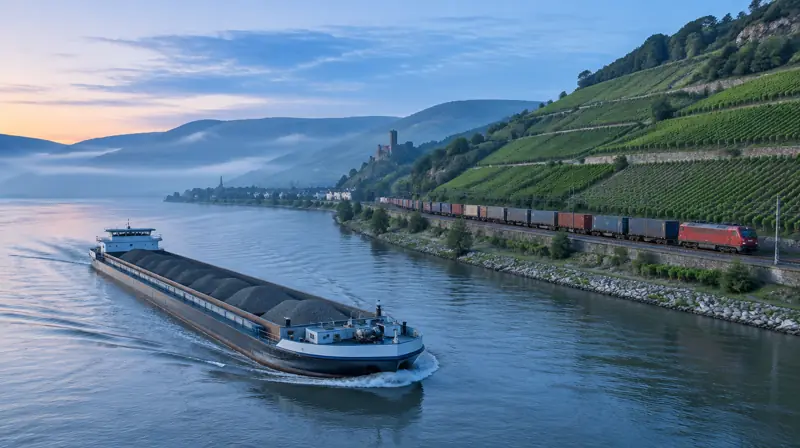
The Rhine corridor: how cargo leaves Rotterdam
A sea port is only as good as its routes inland. Rotterdam’s most important one is a river.
 Corridors & ports
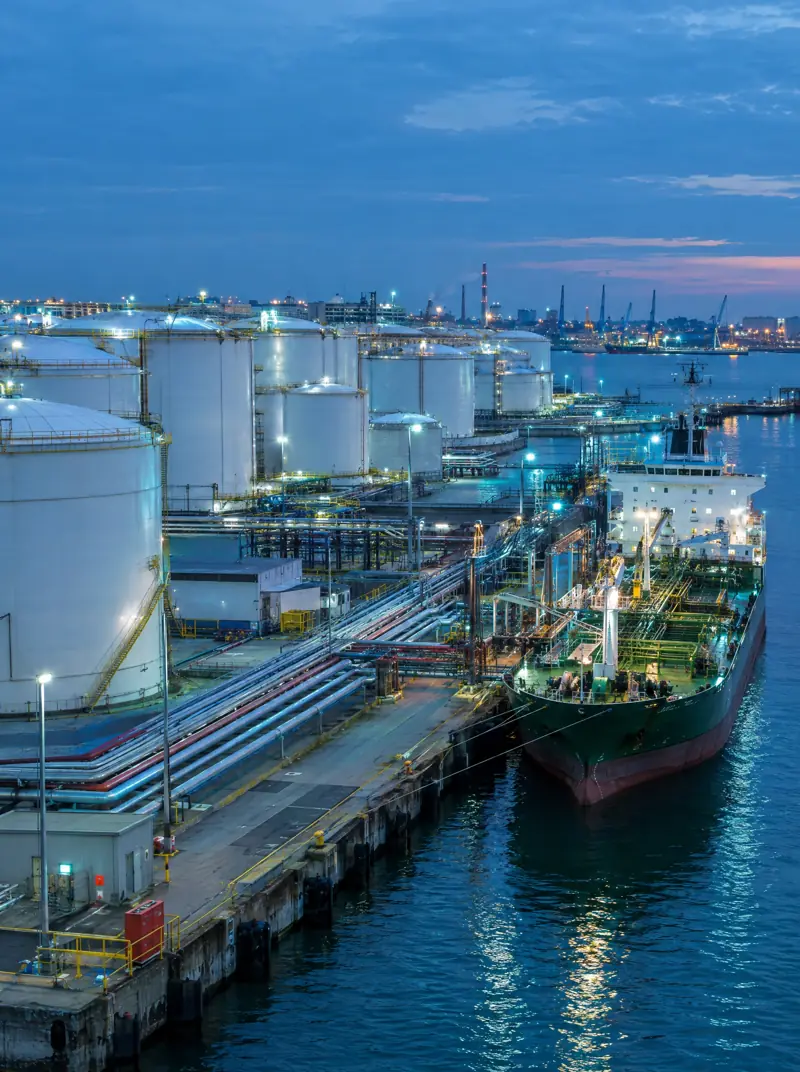
Tank storage: what full tanks tell you
Independent storage is the quiet infrastructure of commodity trading. Its occupancy is a market signal.
 Food & feed
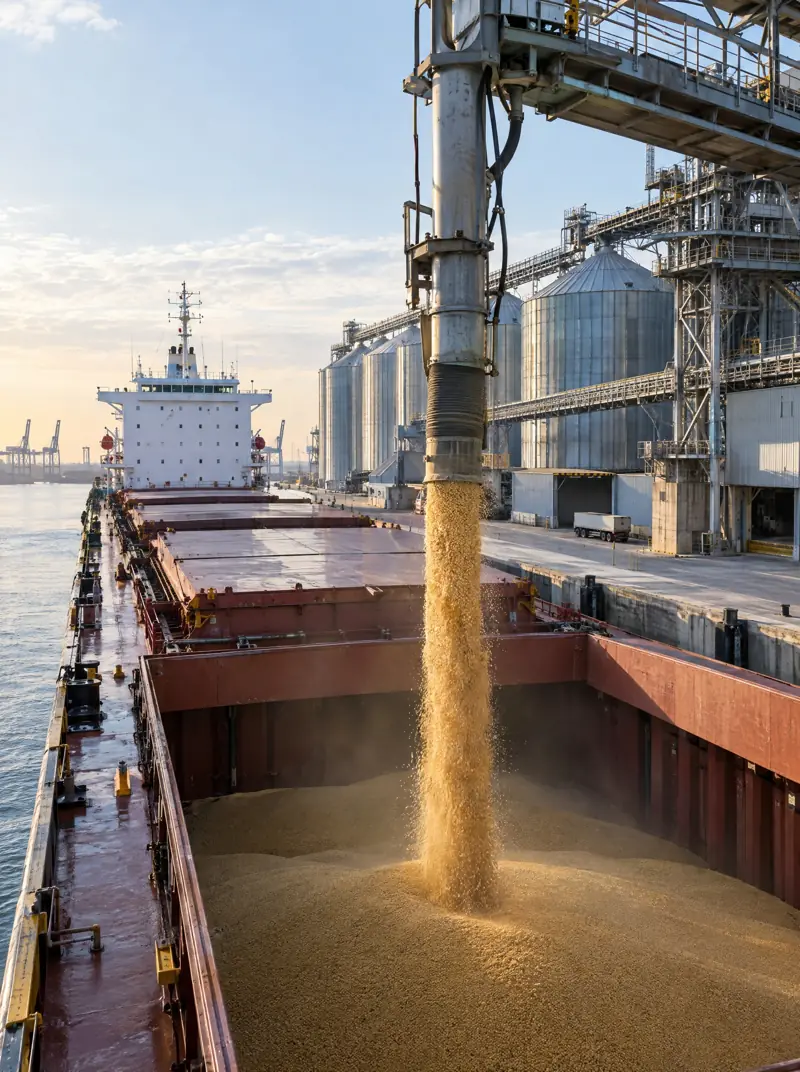
Agribulk into Europe: soya, grains and the crush
Europe grows much of its own grain. It imports most of its protein.
 Food & feed
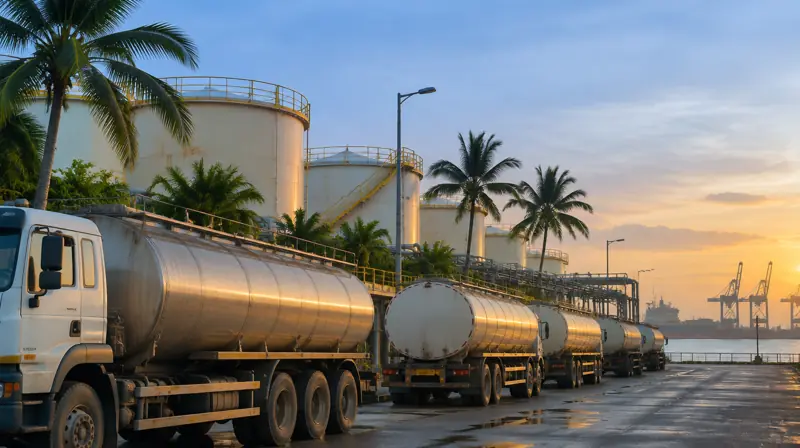
India’s edible oil imports and why Europe should watch them
The world’s largest buyer of vegetable oils changes its mind every month. Prices follow.
 Food & feed
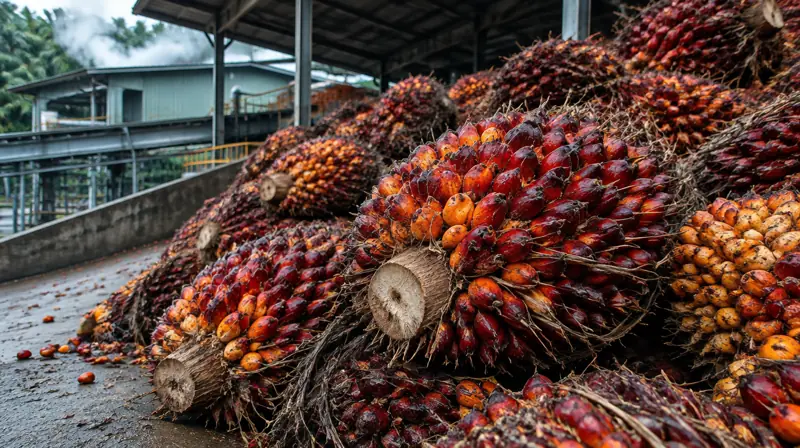
Palm oil and the EU market after EUDR
Europe is a small buyer of palm oil by volume and a large one by influence.
 Regulation
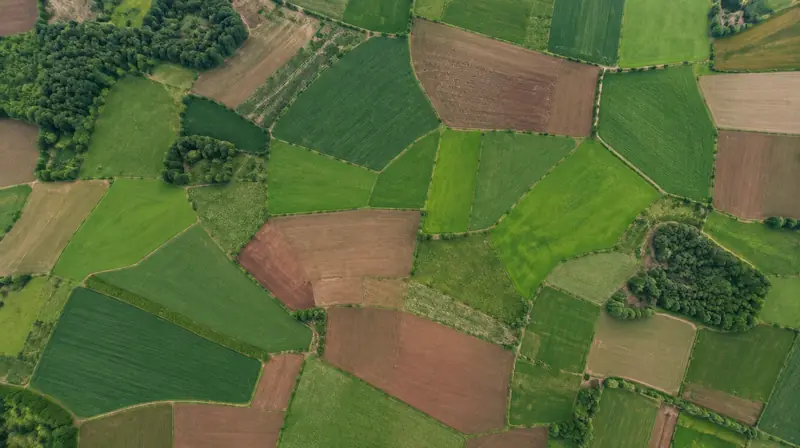
Traceability: from plot coordinates to customs
Regulators now ask where a commodity came from with a precision the trade was not built to deliver.
 Finance & risk
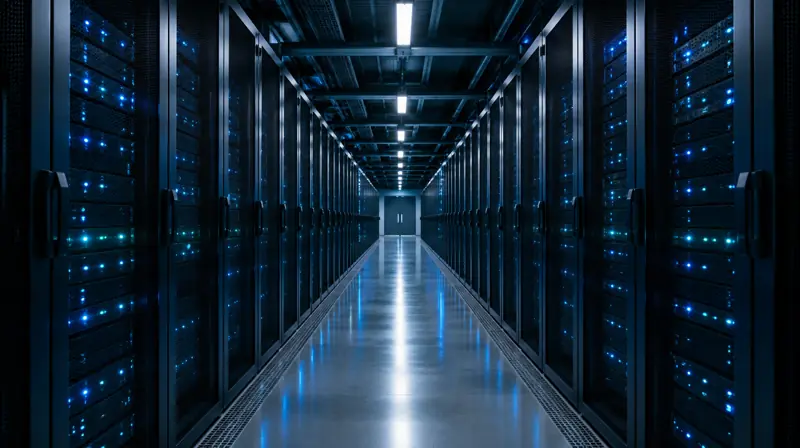
AI in commodity trading: where it helps
The useful applications are less dramatic than the marketing and more valuable than sceptics assume.
 Energy
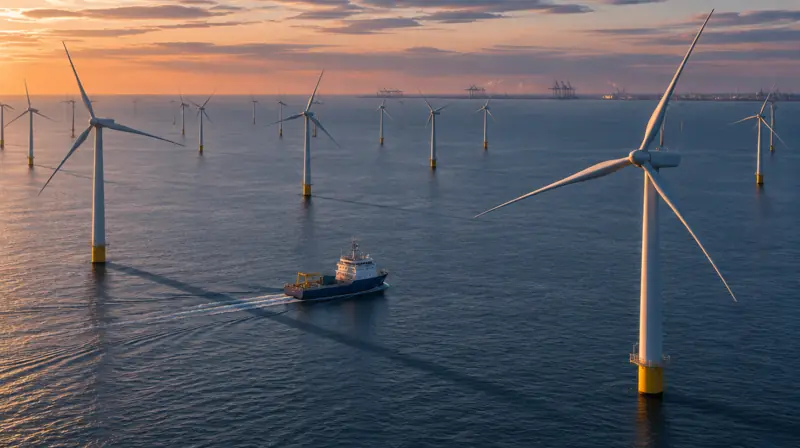
Hydrogen and the energy-transition port
Ports built on oil and coal are preparing for molecules that barely trade today.
 Corridors & ports
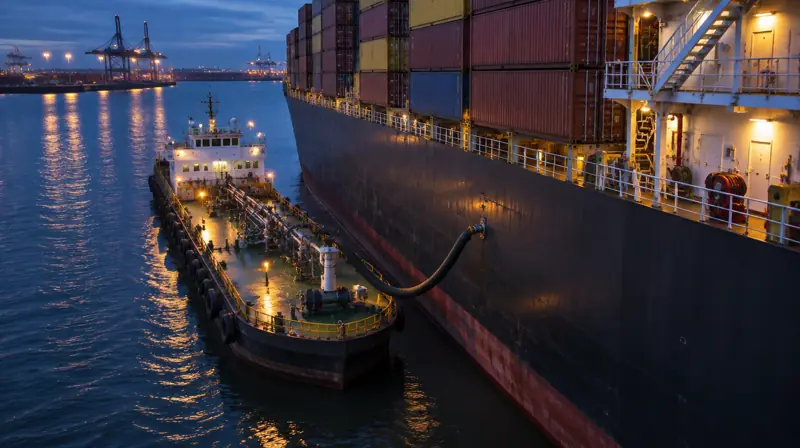
Bunker costs and freight: the hidden line in every CIF price
Fuel is the largest variable cost of running a ship. In 2026 it has also been the least predictable.
 Finance & risk
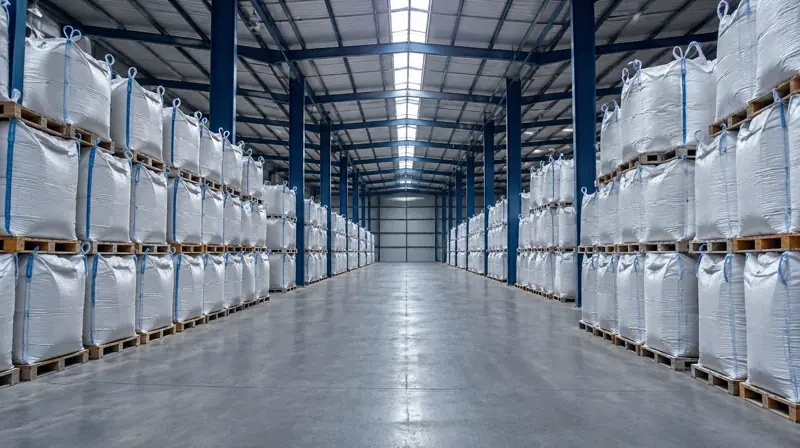
What resilience costs, and who pays
Every company wants a resilient supply chain. Fewer have priced one.
 Corridors & ports
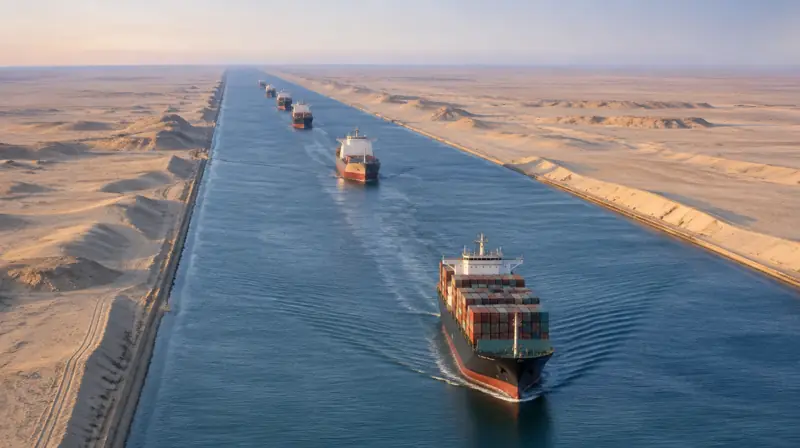
Asia–Europe–Africa: the corridors being redrawn
The shortest line between two markets is no longer the default.
 Corridors & ports
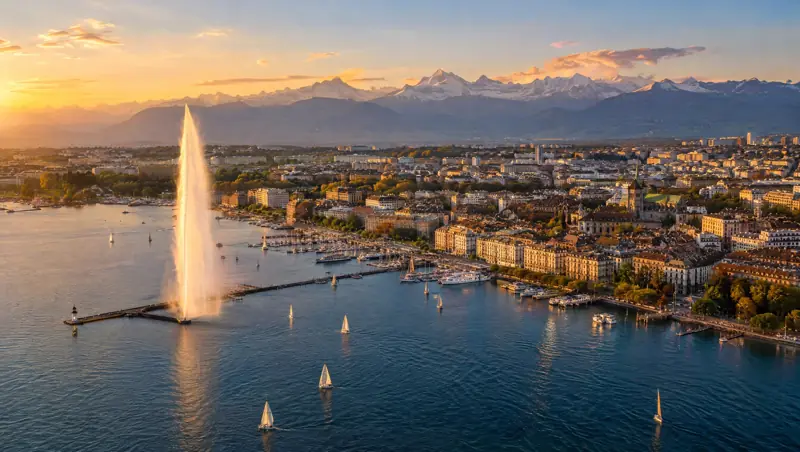
From the trading desk to the quayside: Geneva and Rotterdam
One city prices and finances the trade. The other receives it. The World Commodity Forum has now chosen both.
 Geopolitics
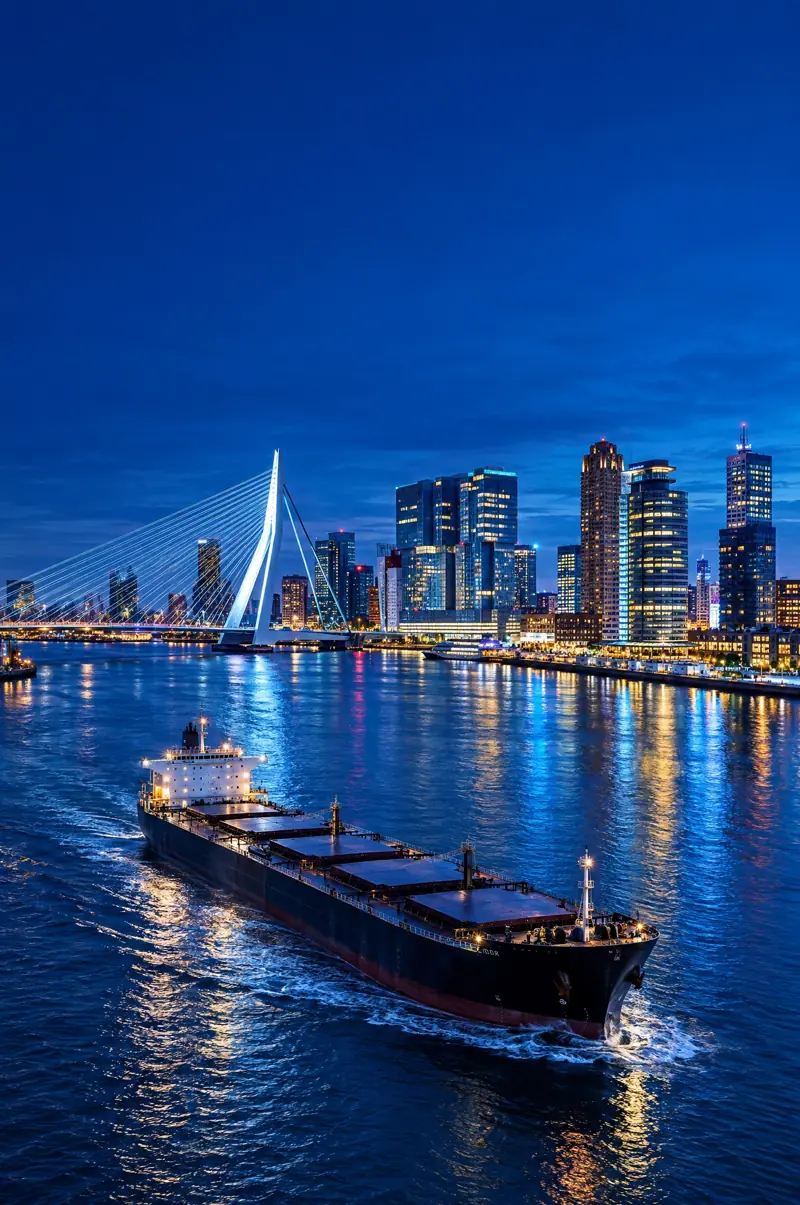
The road ahead: five questions for 2027 to 2030
Forecasts for commodity markets age quickly. Good questions last longer.